







The sea took pity
for solo piano. 8’
For years I have contemplated William Blake’s Auguries of Innocence, and his declaration that small and overlooked harms are felt grievously in heaven. Even the tiniest loss is very great. But who is grieving these things? Humans do, certainly — but most of us are so drowned in heavier, more brutal, immediate pains that a tear cannot be spared. Nonetheless they must be grieved, by some property of nature I imagine or discern — call it conservation of sorrow. Every loss, no matter how unknown, must be acknowledged in heaven. And for some angels, perhaps this sorrow fills their eternal consciousness.
According to Christian theology, angels feel great sorrow for humanity, but they cannot understand suffering — perhaps not even imagine it. Therefore their weeping, pure and divine as it may be, has a naive quality to it. It is different than the weeping of Christ, who is higher than the angels not because of his divinity, but because of his humanity. What the angels lament, in His incarnation He became.
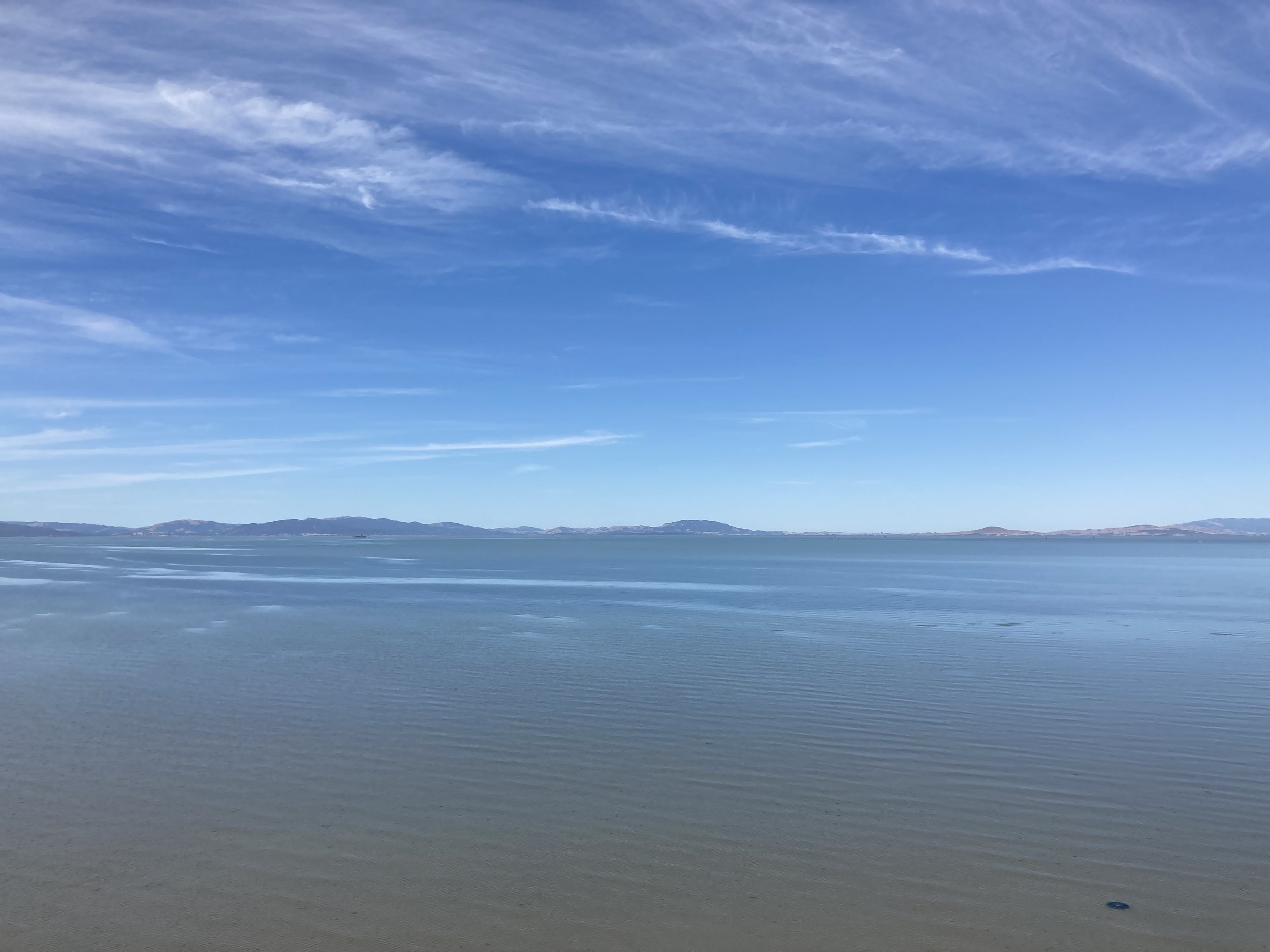
Even so, weeping for the ungrieved sorrows of humanity is a great charge, and the abundance of angelic tears fills the sea.
In my mind, this image merged with the story of Moses and water from the rock. The sea therefore also depicts the waters of Meribah, or waters of strife, where the people “strove” with God. By striking the rock twice, Moses committed the fatal error of doubt, for which he will later be punished by being barred from the promised land. So even as night falls, and the merciful waters spread over the desert, Moses recalls the immense burden of his divine office, and premonitions of a new, higher isolation take hold.

Photo credits: Unknown; original