
Dag Gadol
The Great Fish
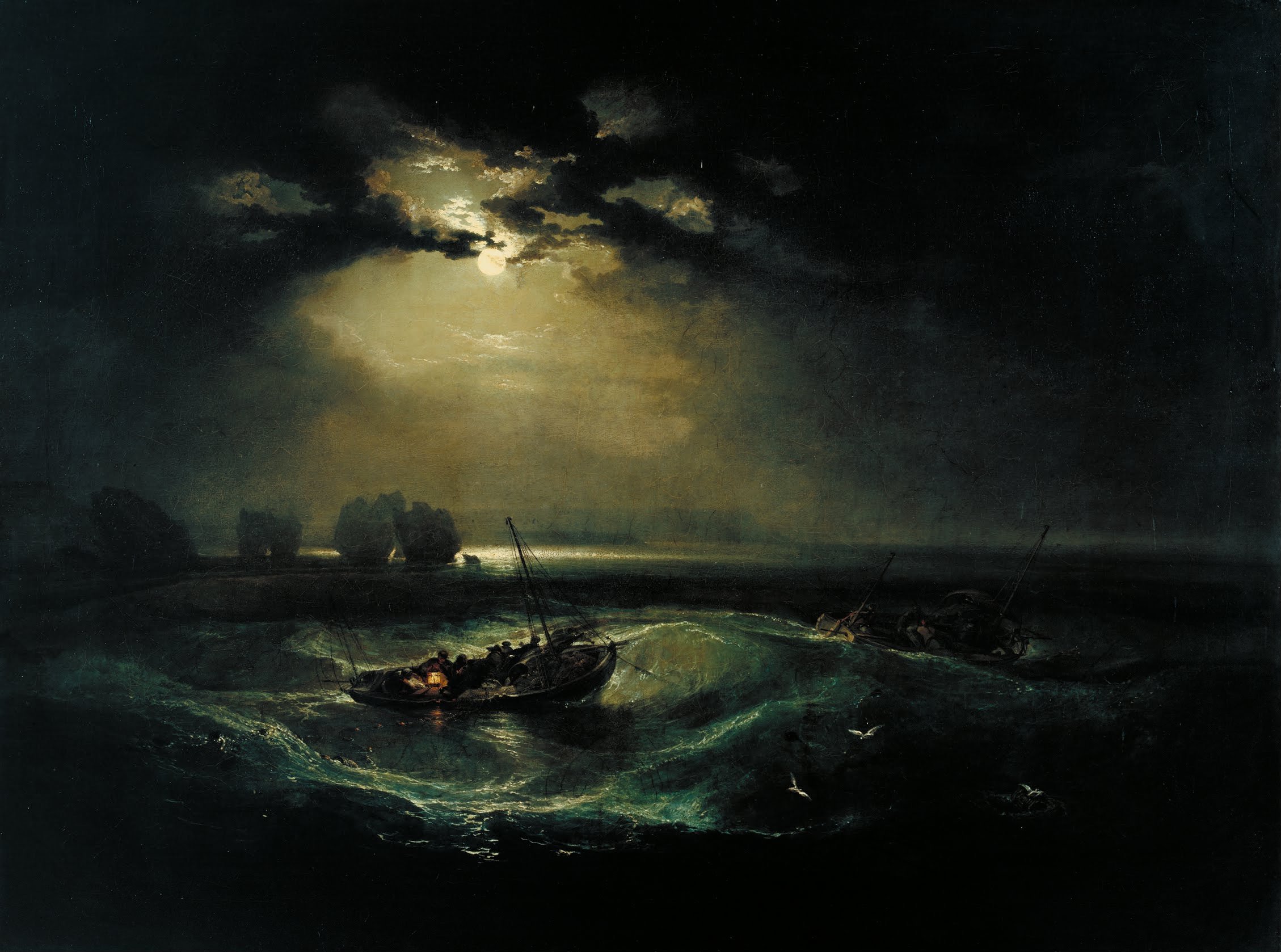
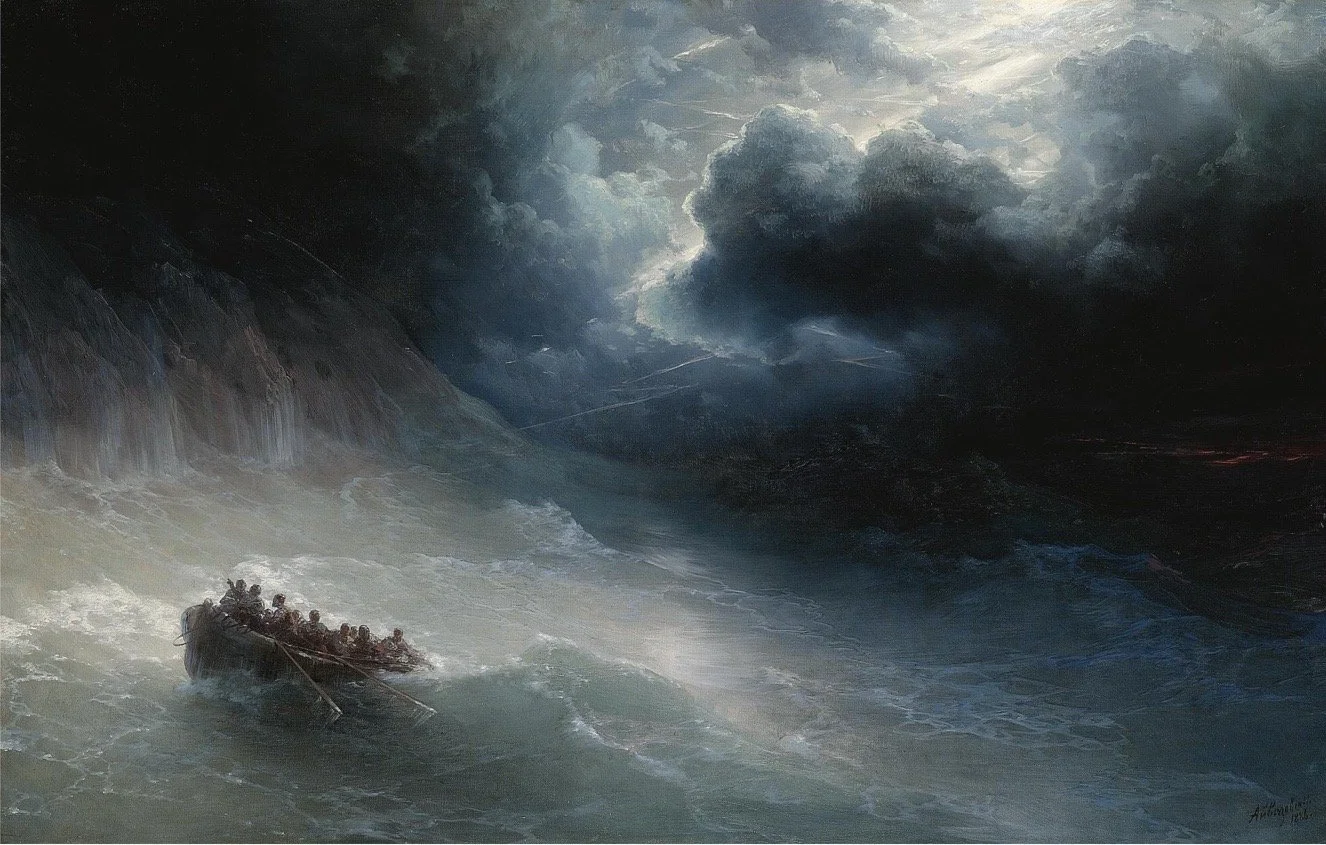
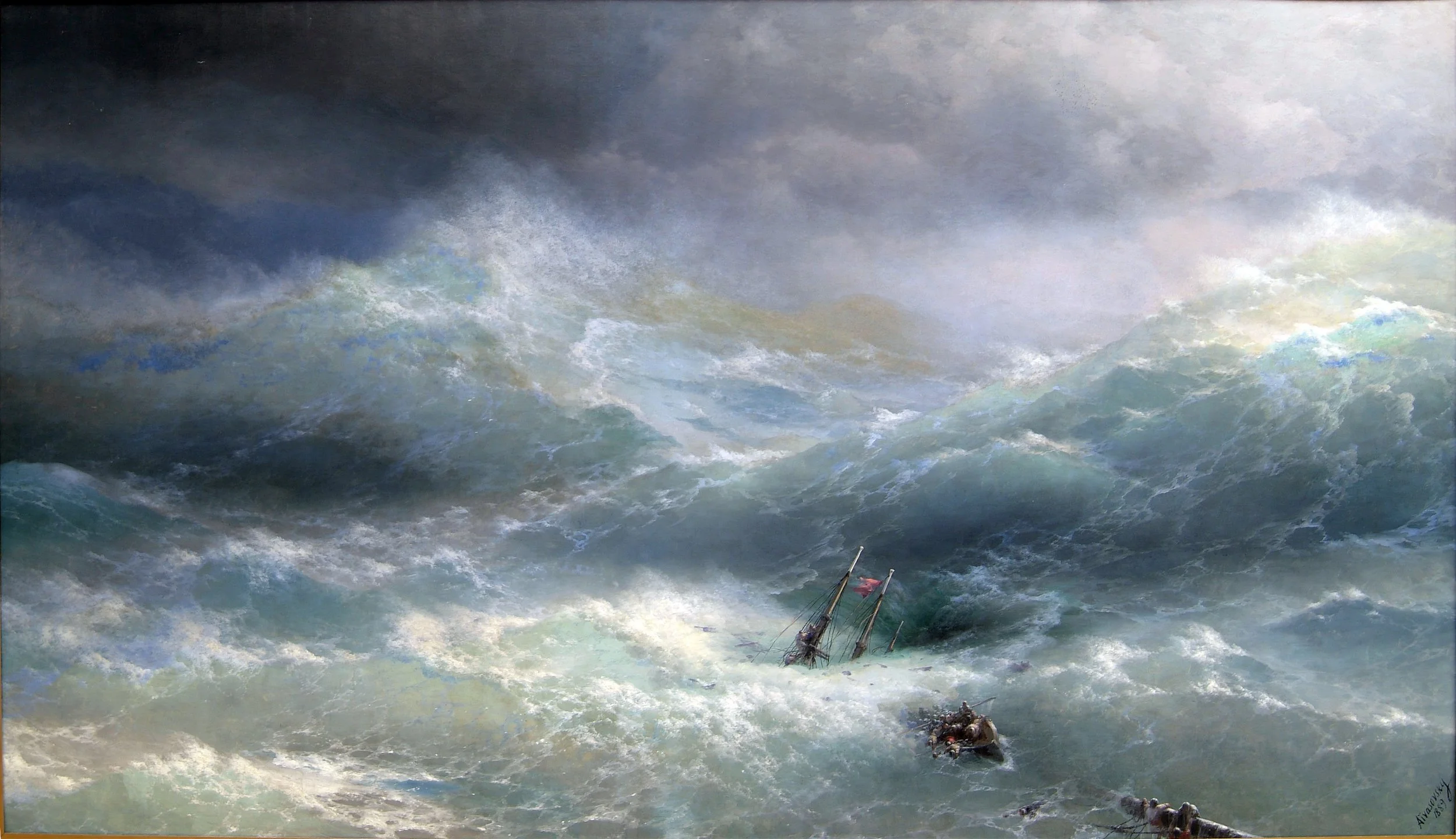
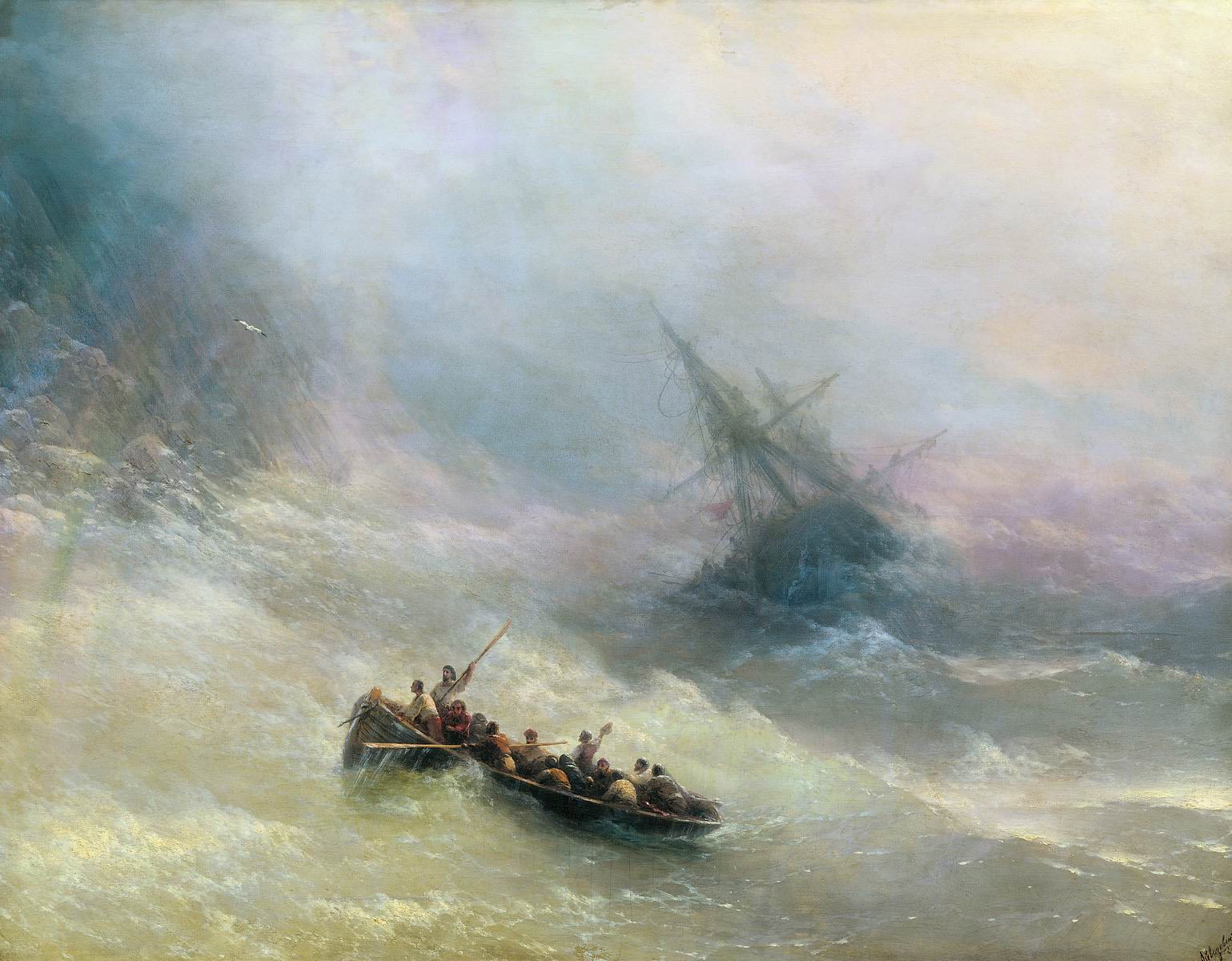
for full orchestra. 7’
Dag Gadol is a musical portrait of the whale as a symbol of God. It is the whale of Jonah, the Leviathan of Job, the white whale of Captain Ahab — and Ahab’s own soul as well.
In chapter 70 of Moby Dick, the following passage is found. In early evening, the crew had managed to kill a whale, but the remaining labor was left until morning. The colossal severed head hangs from the ship, and all the sailors save Ahab have gone down for the night. Alone on the deck, he delivers this soliloquy:
“Speak, thou vast and venerable head, which, though ungarnished
with a beard, yet here and there lookest hoary with mosses;
speak, mighty head, and tell us the secret thing that is in thee.
Of all divers, thou hast dived the deepest. That head upon which the
upper sun now gleams, has moved amid this world's foundations.
Where unrecorded names and navies rust,
and untold hopes and anchors rot;
where in her murderous hold this frigate earth is ballasted with
bones of millions of the drowned; there, in that awful water-land,
there was thy most familiar home.
Thou hast been where bell or diver never went;
hast slept by many a sailor's side, where sleepless
mothers would give their lives to lay them down.
Thou saw'st the locked lovers when leaping from their flaming ship;
heart to heart they sank beneath the exulting wave;
true to each other, when heaven seemed false to them.
Thou saw'st the murdered mate when tossed by
pirates from the midnight deck; for hours he fell into the deeper
midnight of the insatiate maw; and his murderers still sailed on
unharmed — while swift lightnings shivered the neighboring ship that
would have borne a righteous husband to outstretched, longing arms.
O head! thou hast seen enough to split the planets and make an
infidel of Abraham, and not one syllable is thine!”
To me, these words reveal not only the essence of Ahab’s personality, but the heart of the entire story. Under cover of solitude, unseen by his fellow man, Ahab speaks prophetically. In his voice, I hear a great longing to be a whale, and to merge with the eternal ocean. He is a man utterly beyond the human world. Towards the end of the story, he tells Starbuck: “Forty years on the pitiless sea!... Aye and ... out of those forty years I have not spent three ashore.” And, about his wife: “I widowed that poor girl when I married her.” The sea is his only home, and whales the only creatures who understand him. To his shipmates, he speaks of revenge — but in his solitude, there is intimacy and sorrow. Moby Dick may be the object of his hatred, but the whale is also his Great Love.
Dag Gadol also emobodies a strong theology of predestination, in keeping with Ahab’s own views. Every thought and action, and every moment of his life has been precisely determined by God. Indeed, the time and manner of his death was written in heaven before he was born. In his last conversation with Starbuck, he admits the madness of the quest, and attributes it to some unfathomable necessity in God's vast design:
“What... hidden lord and master, and cruel, remorseless emperor commands me; that against all natural lovings and longings, I so keep pushing... recklessly making me ready to do what in my own proper, natural heart, I durst not so much as dare? Is Ahab, Ahab? Is it I, God, or who, that lifts this arm? But if the great sun move not of himself; but is as an errand-boy in heaven; nor one single star can revolve, but by some invisible power; how then can this one small heart beat; this one small brain think thoughts; unless God does that beating, does that thinking, does that living, and not I.
By heaven, man, we are turned round and round in this world, like yonder windlass, and Fate is the handspike.”
The final chord of the piece is C major. It is an homage to classical opera, and a sign of the theology of the work. The story is a tragedy for every human character, but their tragedy is God’s triumph. In their destruction, the terrible Divine Plan is brought to perfection.
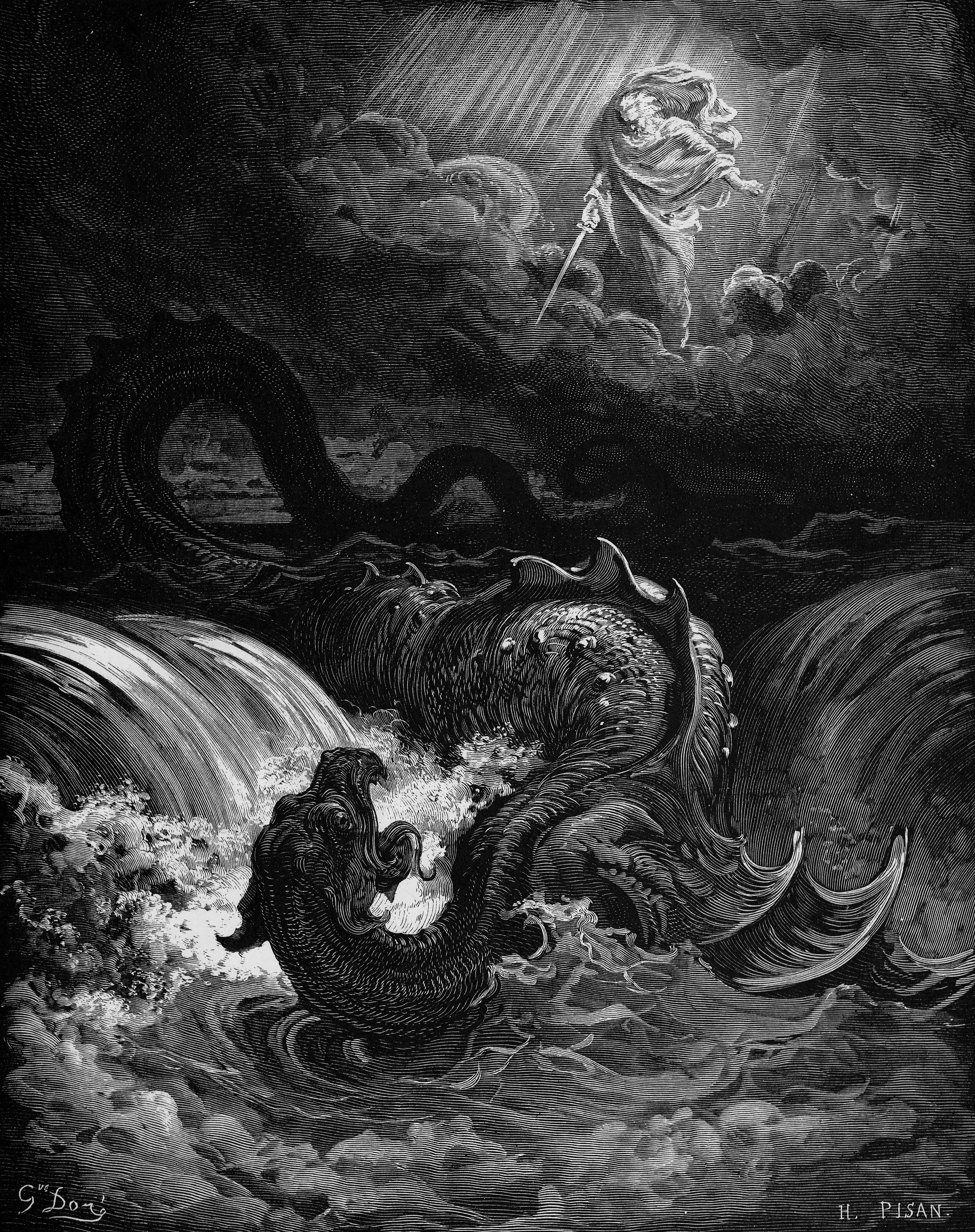
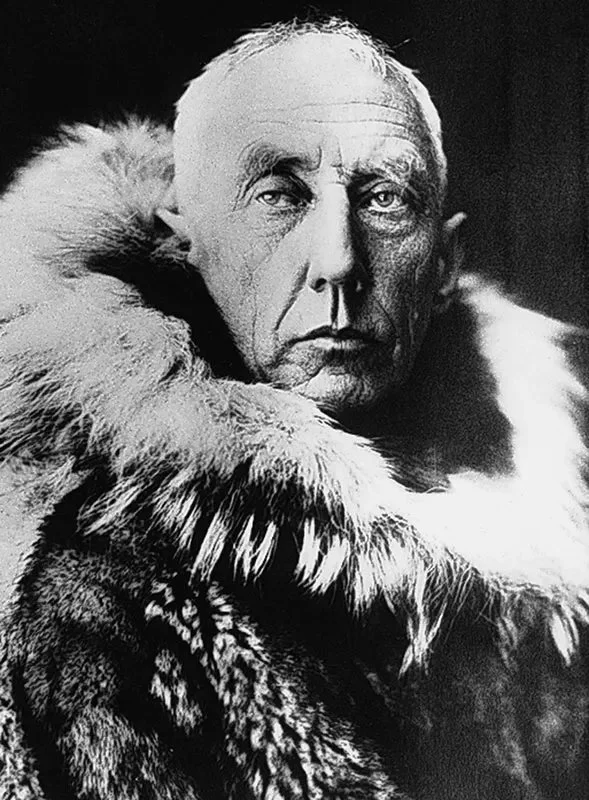
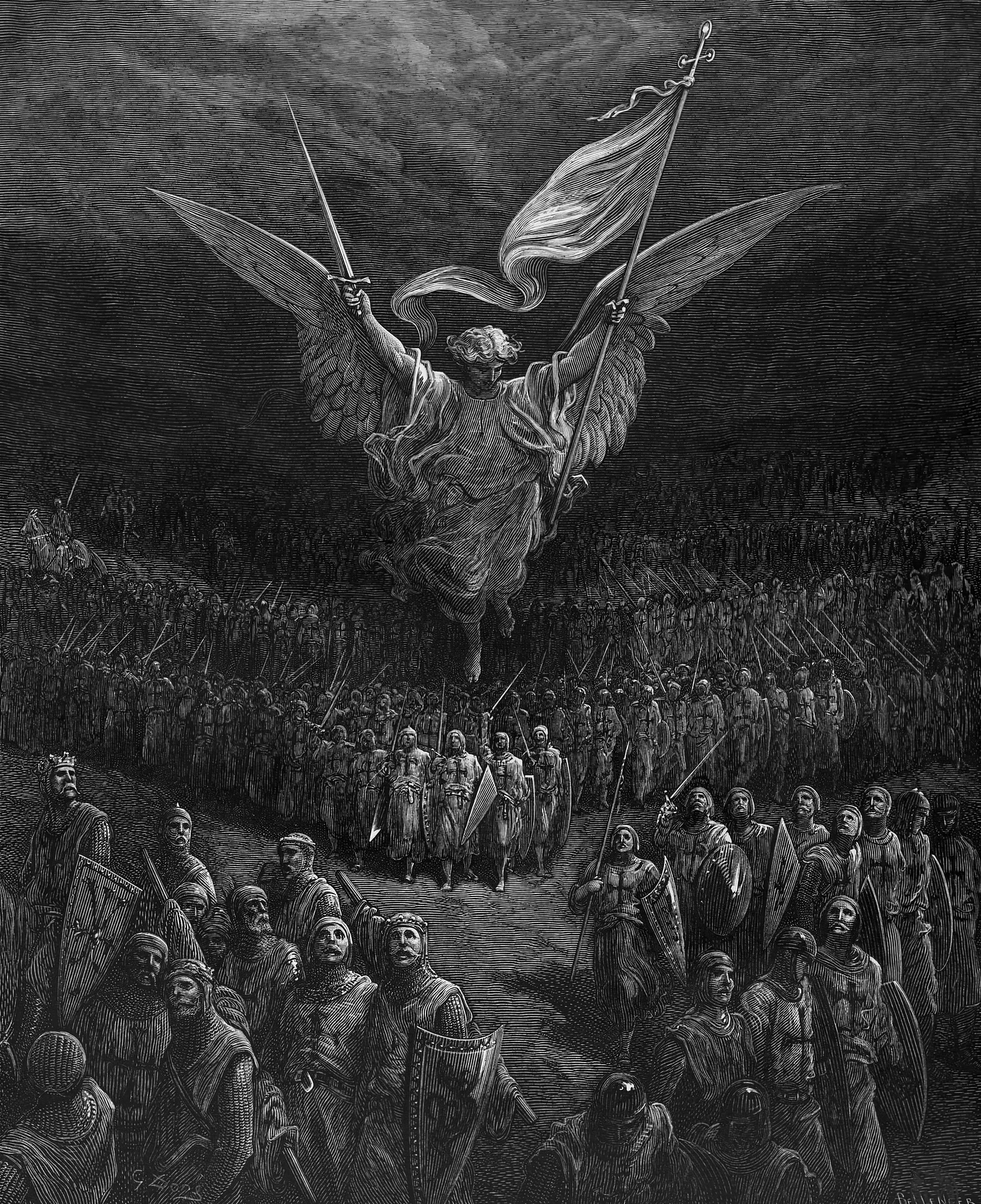
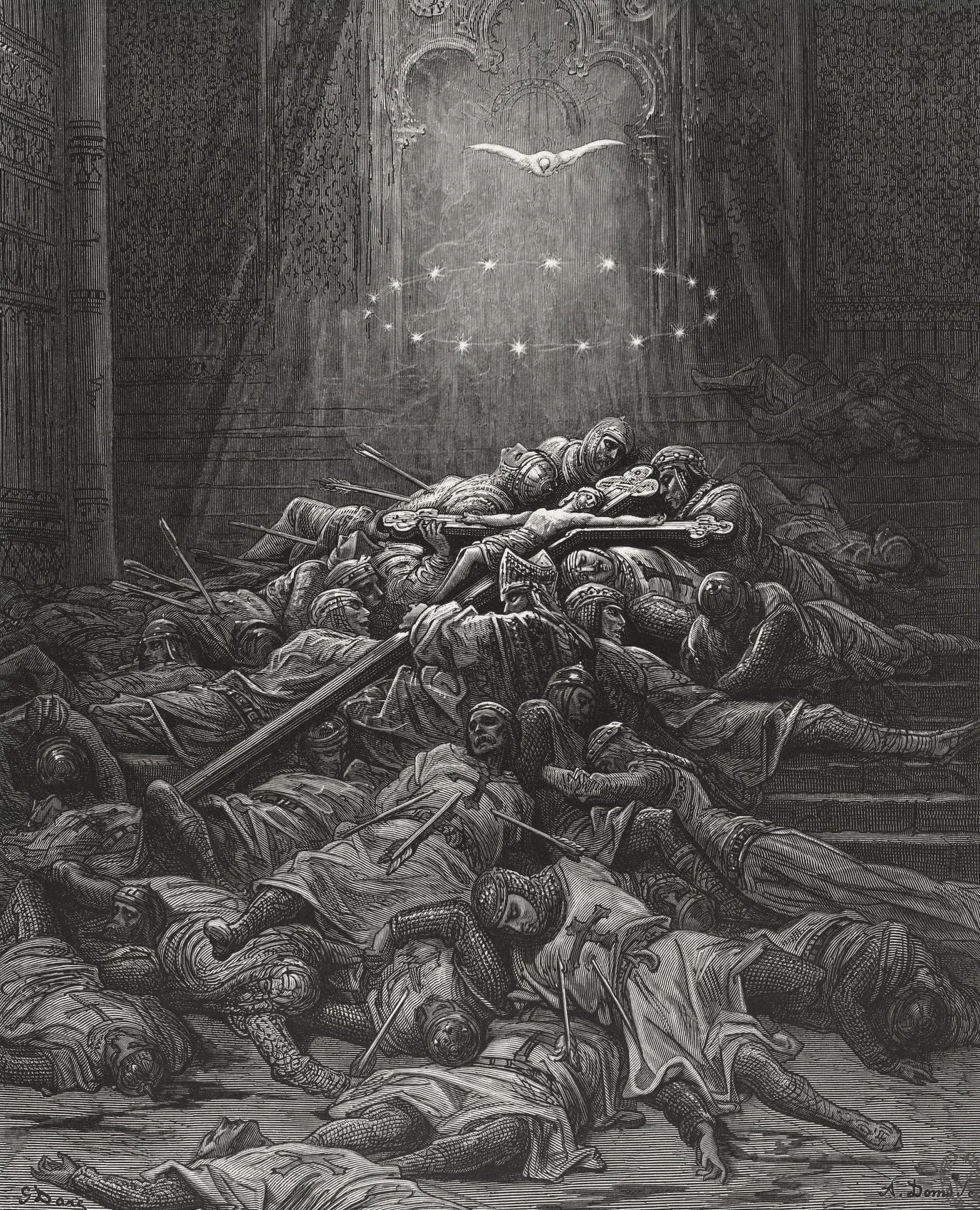
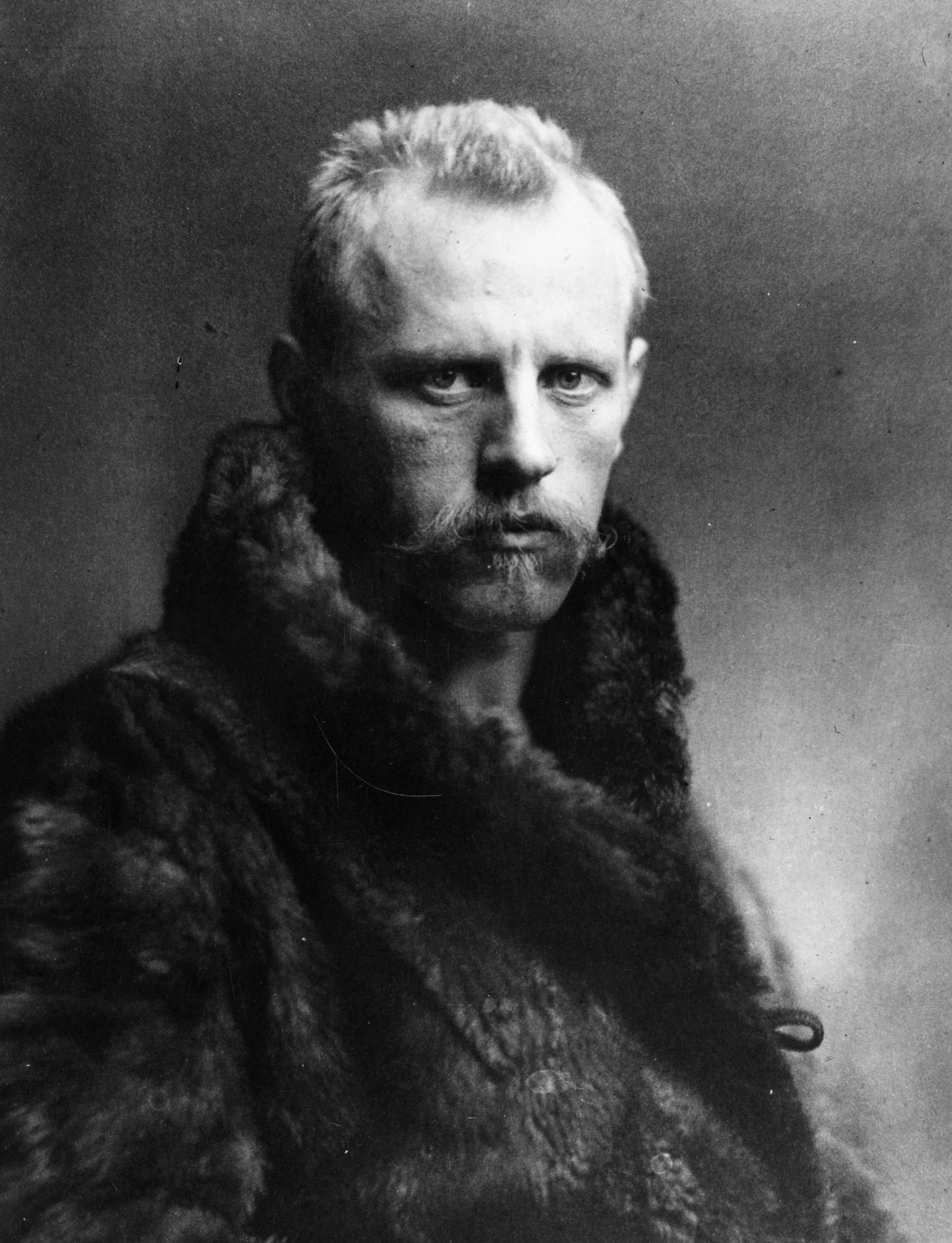
Photo credits:
J.M.W. Turner, Fishermen at Sea
Ivan Aivazovsky, The Wrath of the Seas; The Ninth Wave; The Rainbow
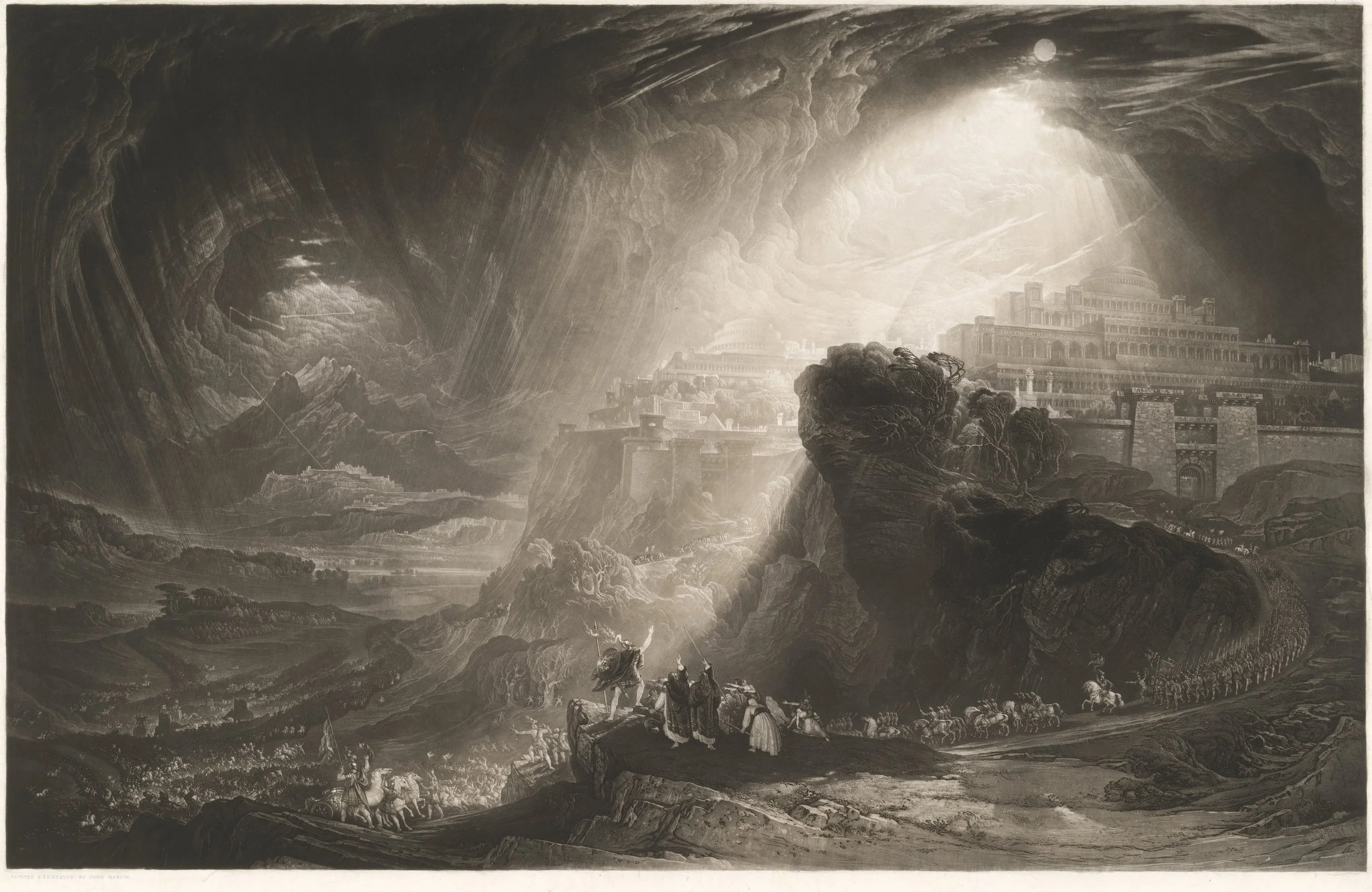
John Martin, Joshua Commanding the Sun to Stand Still
Frank Hurley, photograph taken during the Endurance expedition
Gustave Doré, The Destruction of Leviathan; The Road to Jerusalem; A Celestial Light
Roald Amundsen (1872-1928) in fur: http://sunde.files.wordpress.com/2009/02/roald_amundsen_wearing_furskins.jpg
Fridtjof Nansen