A Basil Tale
for soprano, 2 flutes, 2 clarinets, 2 violins, viola, cello, bass and piano (doubling toy piano). 22’
I. Human Fears
II. Dance Party
III. Ophelia’s Death
A Basil Tale is a cantata, or pocket opera, inspired by images of grief intertwined with nature. Originally a companion piece to Ravel’s Trois poèmes de Mallarmé, it is composed for similar instruments.
The soprano’s character moves between various selves. First she is Isabella, weeping into her pot of basil, and nourishing it with tears. Then she is Gertrude, mother of Hamlet, delivering the news of Ophelia's death. There are also shades of Eurydice, a Sophoclean queen whose story echoes Gertrude — and Ophelia herself.
The story is fragmented and ambiguous — but is completed by the music, which intersperses my own style with a montage of quotes from Strauss, Chopin, Beethoven, Sarasate, and more.
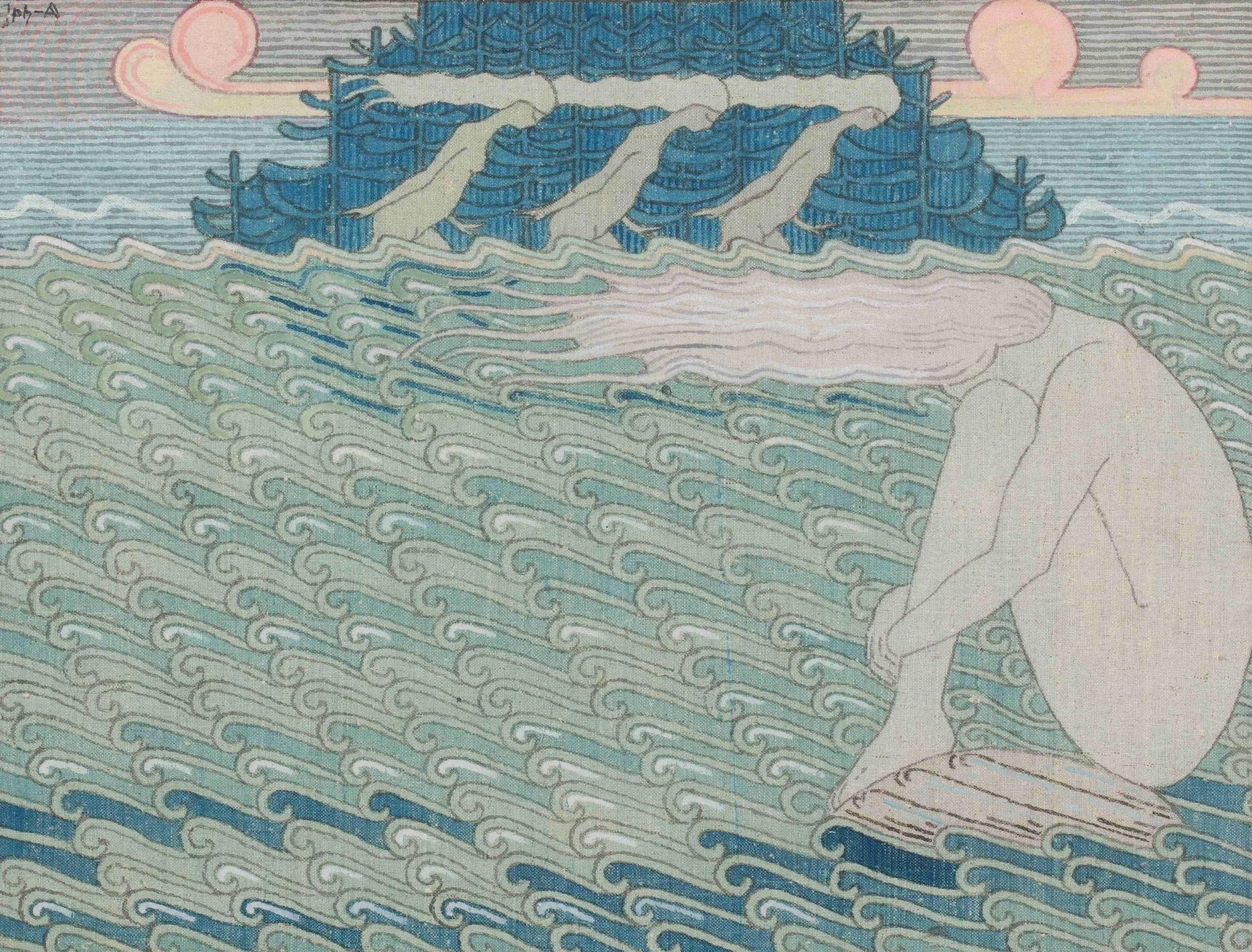
Though I would discover it much later, similar images appear in the Finnish epic Kalevala. In Canto IV, after Aino’s transformation, her mother, believing her dead, weeps until three rivers flow. These rivers nourish an entire birch grove, and the songs of the cuckoos in the birch-branches multiply and transfigure her sorrow.
The spirituality of ceaseless weeping runs throughout my work. See At-Tahajjud and The sea took pity for other explorations of this theme.
Full text of A Basil Tale:
And she forgot the stars, the moon, and sun,
And she forgot the blue above the trees,
And she forgot the dells where waters run,
And she forgot the chilly autumn breeze;
She had no knowledge when the day was done,
And the new morn she saw not: but in peace
Hung over her sweet Basil evermore,
And moisten’d it with tears unto the core.
And so she fed it ever with thin tears,
Whence thick, and green, and beautiful it grew,
So that it smelt more balmy that its peers of basil-tufts in Florence; for it drew
Nurture besides, and life, from human fears,
From the fast mouldering head there shut from view:
So that the jewel, safely casketed,
Came forth, and in perfumed leafits spread.
— John Keats, “Isabella, or the Pot of Basil” stanzas 53-54
There is a willow grows aslant a brook,
That shows his hoar leaves in the glassy stream;
There with fantastic garlands did she come
Of crow-flowers, nettles, daisies, and long purples
That liberal shepherds give a grosser name,
But our cold maids do dead men's fingers call them:
There, on the pendent boughs her coronet weeds
Clambering to hang, an envious sliver broke;
When down her weedy trophies and herself
Fell in the weeping brook. Her clothes spread wide;
And, mermaid-like, awhile they bore her up:
Which time she chanted snatches of old tunes;
As one incapable of her own distress,
Or like a creature native and indued
Unto that element: but long it could not be
Till that her garments, heavy with their drink,
Pull'd the poor wretch from her melodious lay
To muddy death.
— William Shakespeare, “Hamlet,” Act IV Scene 7
Photo credits:
Joseph Alanen, “Neiet nietten nenissä”
https://commons.wikimedia.org/wiki/File:Joseph_Alanen_-_Neiet_nietten_nenissä.jpg
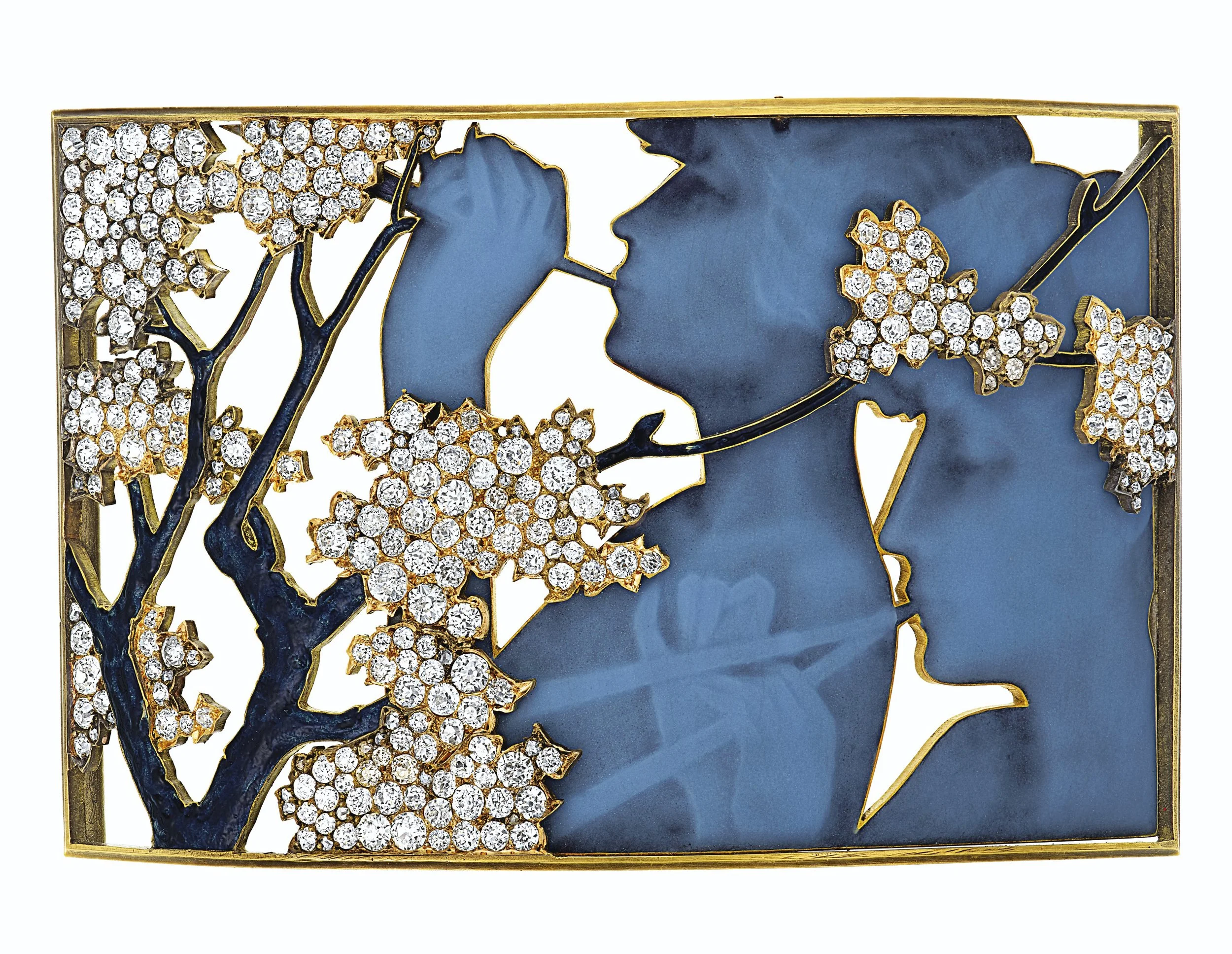
René Lalique, Collar Deux Fetards
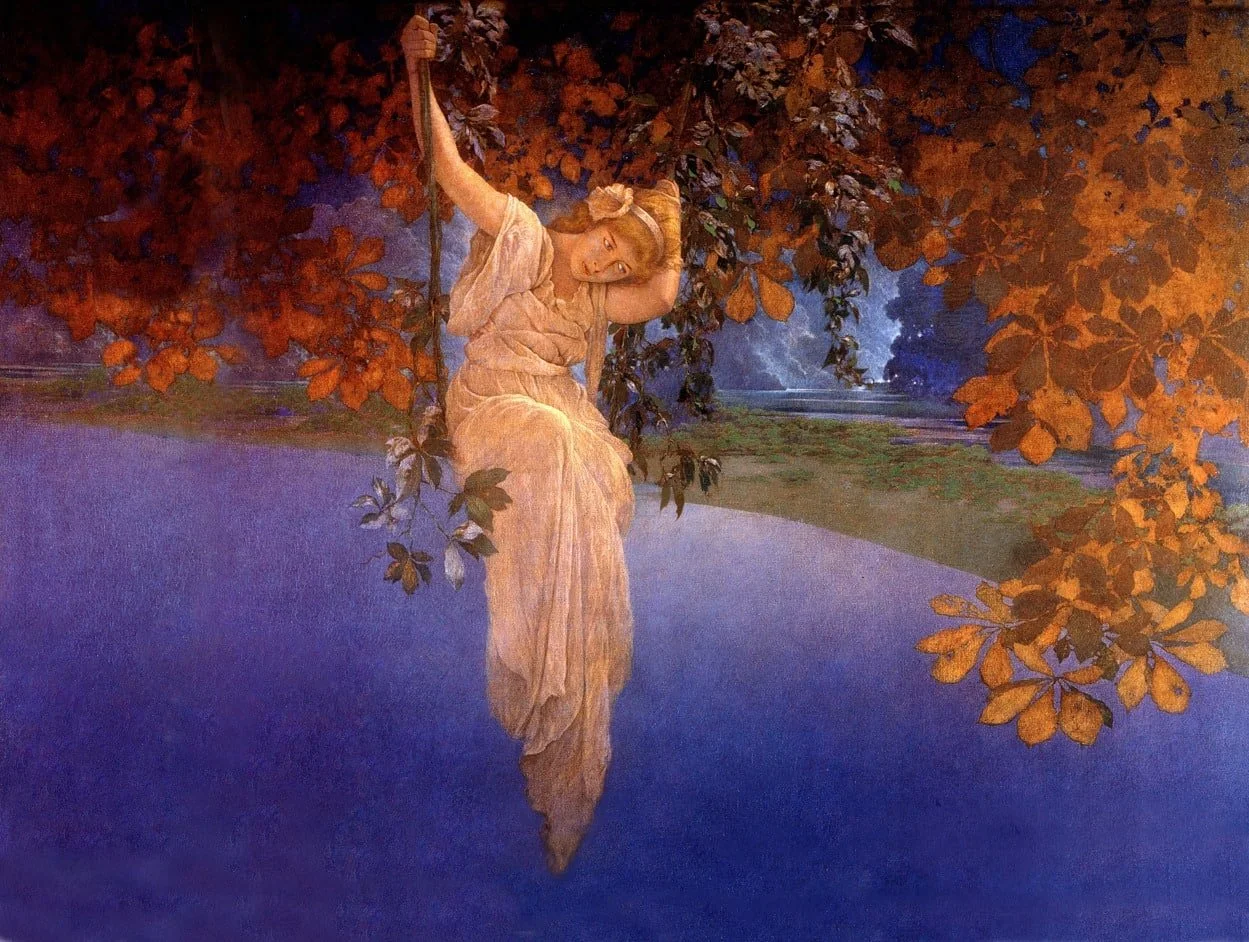
Maxfield Parrish, “Girl on a Swing”